KAWASAKI 112321 Alternator Generator
fits model: Zx11d, Ninja. make: Kawasaki. year: 1993–2001.
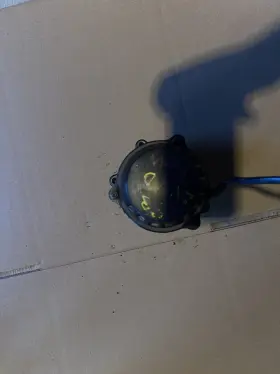
( Manufacturer Part Number: 112321 ), ( Type: Starter Motor ), ( Manufacturer Warranty: No )
Review KAWASAKI Alternator Generator fits NINJA ZX11D 1993–2001
The Kawasaki 112321 alternator generator is an essential component for maintaining the electrical systems on Kawasaki ZX-11NINJA motorcycles manufactured between 1993 and 2001. This alternator, specifically designed by Kawasaki for their high-performance motorcycle models, ensures a reliable and consistent power supply to the motorcycle's electrical components.
The alternator is a sophisticated piece of machinery, featuring a compact and durable design to meet the stringent demands of high-performance motorcycle applications. If the original alternator on your ZX-11NINJA has reached the end of its life or if you're upgrading your electrical system, the Kawasaki 112321 alternator offers a direct replacement solution.
At its core, this alternator is a three-phase alternator, delivering a smooth and efficient power output. The rotor, inserted inside the stator, is engine-driven via the crankshaft through a series of belts or drive pulleys, generating electricity as the motorcycle engine runs.
This alternator is designed with a robust build, whose key features include:1. A high-output design that delivers 350 watts at 5000 RPM.
2. A regulator that protects the battery from overcharging or discharging, ensuring the battery's longevity and optimal performance.
3. A compact design that effectively marries power efficiency with minimal weight and size.
4. High-quality bearings for long-lasting performance and reduced friction.
5. A belt-driven mechanism for transmitting power from the engine to the alternator.
The Kawasaki 112321 alternator is an indispensable component to ensure that your ZX-11NINJA's electrical systems function optimally at all times. Its stylish and elegant design complements the overall aesthetic of your motorcycle.
Whether you're embarking on an extended road trip or simply riding around town, the alternator enables vital electronic functions such as lights, turn signals, and charging your battery for optimal riding convenience. Maintaining the OEM Kawasaki 112321 alternator is paramount to ensuring your ZX-11NINJA remains a safe and reliable vehicle for your riding pleasure.
The Kawasaki Ninja ZX-11 (model number ZX-11N, ZX-11R, or ZX-11D, produced from 1993 to 2001) is a high-performance motorcycle known for its power, agility, and handling. One significant component of these bikes that warrants discussion is the alternator generator. Here are some pros and cons of this system.
Pros:1. High Power Output: The alternator generator system on the Kawasaki Ninja produces a substantial electric output (around 350-530 watts), which is useful for riders who require additional electrical power, such as those using powerful aftermarket accessories like heated grips or headlights.
2. Reliability: The alternator generator is a robust component compared to the regulator-rectifier systems typically found in motorcycles. It is less prone to issues that can result in loss of charge.
3. Braker-AKS Integration (for model years 1994 and newer): The Kawasaki Ninja features optional Braker AKS (Automatic Kickstand and Starter) systems, and the alternator generator is integrated with the starter motor. This design not only saves weight but also helps ensure consistent charging whenever the engine is running.
4. Smooth Charging: The alternator design ensures that charging is smooth and efficient, providing a consistent electrical charge to the battery even during variable riding conditions.
5. Convenient for Long-distance Riding: The higher power output makes the alternator generator system particularly beneficial for long-distance rides or extended touring. It can help maintain battery charge and ensure adequate electrical power for the rider's needs.
Cons:1. Cost: The alternator generator system is generally more expensive to produce and install than traditional regulator-rectifier systems. This can result in a higher upfront investment for the rider.
2. Maintenance: While the alternator generator is more reliable than a regulator-rectifier, it still requires occasional maintenance, such as checking the belt tension and inspecting the alternator for damage or wear.
3. Complexity: The integration of the alternator generator and starter motor can make the wiring more complex. This added complexity may require the assistance of a professional mechanic for installation and troubleshooting.
4. Weight: The alternator generator is heavier than traditional regulator-rectifier systems, which could contribute to a slight increase in overall bike weight.
5. Potential Noise: Although rare, some riders have reported experiencing a louder-than-normal alternator whine. These instances appear to be exceedingly uncommon, but they're worth considering as a potential downside.
Conclusion:The decision to purchase a Kawasaki Ninja with an alternator generator ultimately depends on the individual rider's needs, preferences, and budget. The higher power output and efficiency of the alternator generator system are ideal for long-distance rides, heavy electrical accessory usage, or those who value reliability and smooth charging. However, these advantages come at the cost of a higher upfront investment and additional maintenance requirements compared to traditional regulator-rectifier systems.
For riders looking for a more straightforward solution or those who do not require the additional power output, a regulator-rectifier system might be a more suitable choice. Ultimately, careful consideration of your unique requirements and circumstances will help guide your decision-making process.
Recommendation:If you frequently engage in long-distance rides, carry numerous electrical accessories, or rely on your motorcycle for touring or commuting, the alternator generator system on the Kawasaki Ninja is a worthwhile investment. However, if you're a casual rider with minimal electrical accessory use, the additional cost and complexity might outweigh the benefits. Thoroughly assess your needs before making a final decision.
Details:
Used parts may exhibit scratches, dents, dings, rust, and normal wear tear. Please review all photos for the condition of item.
part #: 112321 prices
- $166.47-$175.00
specifications scostarters:
- for models: Zx11d, Ninja
- for makes: Kawasaki
- for years: 1993-2001
- mpn: 112321
- type: Starter Motor
- manufacturer warranty: No
seller scostarters:
- # reviews: 975
- city: Sterrett, Alabama
- rating: 98.5%
shipping scostarters:
- service: UPS Ground
- carrier: UPS
- cost: $15.00
- transit: 3-10 Days
- class: Standard
- type: Fixed
payments scostarters:
- wallet: Paypal
- credit card: Diners-club
- other
offer scostarters:
- sold: 0
- availability: In Stock
- best offers: True
- quantity: 1
- started: December 16, 2024
- options: Ship-to-home
returns scostarters:
- paid by: Buyer
- policy: Returns Accepted
- time: 30 Days
general scostarters:
- condition: Used
- Motorcycle Scooter Parts Accessories > Electrical Ignition Components > Starter Motors
Kawasaki 112321 Is Similar To:
- Kawasaki 16085-1166 Ninja 250r Ex250 2008-2012 Oneway Clutch Gear Part (44.6% similar) Kawasaki part # 16085-1166. Kawasaki ninja 250R EX250 2008 to 2012 , anyway clutch gear, these parts are used but in good working condition, straight, all tabs intact, no rust, rash, not bent, part has been inspected, cleaned and stored a dry area for your convenience, normal wear tear only, were...(May 14th, 2024)
- Kawasaki 27010-0793 2008 2010 Ninja Zx10r Engine Starter Relay Starting Motor Switch Oem (45.9% similar) Though most of the motorcycles are not damaged, it should be expected that all parts will wear and tear from everyday use. This part is off of a 2008 kawasaki ninja ZX10R. Parts are in good used condition with no...(May 17th, 2024)
- Kawasaki 27010-0030 2007 07-08 Zx6r Ninja Zx6 Zx600p Lot Starter Starting Relay Gear (49.3% similar) Office use: Lr-KB 07NINJAZX6R-014978...(May 20th, 2024)
- Kawasaki 21163-1317 Ninja 250r Ex250 2000-2012 Starter Part (48.7% similar) Kawasaki ninja 250R EX250 2000 -2012, starter part # 21163-1317...(May 21st, 2024)
- Kawasaki 21163-0746 20 Ninja 650 Abs Starter Motor Ex650m (53.9% similar) Motor is in good working condition. Gear has light wear. Items are shipped using USPS, ups, and FedEx. Comes as pictured. Was removed from a running 2020 kawasaki ninja 650 abs EX650M with 6483 miles...(May 21st, 2024)
- Kawasaki 26011-1764 2007 2008 Ninja Zx6r Oem Engine Motor Starter Relay With Wire Leads (46.9% similar) Removed from: 2007 kawasaki ninja ZX6R ZX600P with 23,439 miles. The starter relay with wires has all the tabs intact. 2007 2008 kawasaki ninja ZX6R oem engine motor starter relay w/ wire leads. This starter relay with wires is in good...(May 22nd, 2024)
- Kawasaki 21163-1304 2000 00-02 05-08 Zx600 Ninja Zzr600 Starter Motor Relay Solenoid Lot (50.7% similar) Office use: Lr-DH 00KAWIZZR600-010775...(May 22nd, 2024)
- Kawasaki 21163-0064 2015 Ninja Zx10r Zx1000 Engine Starting Starter Motor dc 12v 21163-006 (43% similar) Please review all pictures to assess the condition of item...(May 22nd, 2024)
- Kawasaki 21163-0041 12 Ninja Zx-6r Starter Motor Zx600r (54.9% similar) Comes as pictured.: motor is in good working condition. Was removed from a 2012 kawasaki ninja ZX-6R ZX600R. Gear has light wear. Items are shipped using USPS, ups, and FedEx...(May 22nd, 2024)
- Kawasaki 27010-0792 1998-2012 Ninja Zx6r Zx600r Oem Engine Starter Relay Starting Motor (45.5% similar) 1998-2012 kawasaki ninja ZX6R ZX600R oem engine starter relay starting motor. Over 99% of our orders are shipped within 24HRS. This starter relay is in good condition and shows normal signs of wear. Removed from: 2011 kawasaki ninja ZX6R...(May 23rd, 2024)
- Kawasaki 21163-0717 2013 2017 Ninja Ex300 Starter Motor Engine Oem Stock 0113 (52.2% similar) Item location c2 BN3. Starter and relay with cables removed from a 2014 ninja 300. Tested, working used parts...(May 24th, 2024)
